Discussing Matter
mat·ter
noun
- 1.physical substance in general, as distinct from mind and spirit; (in physics) that which occupies space and possesses rest mass, especially as distinct from energy.”the structure and properties of matter”
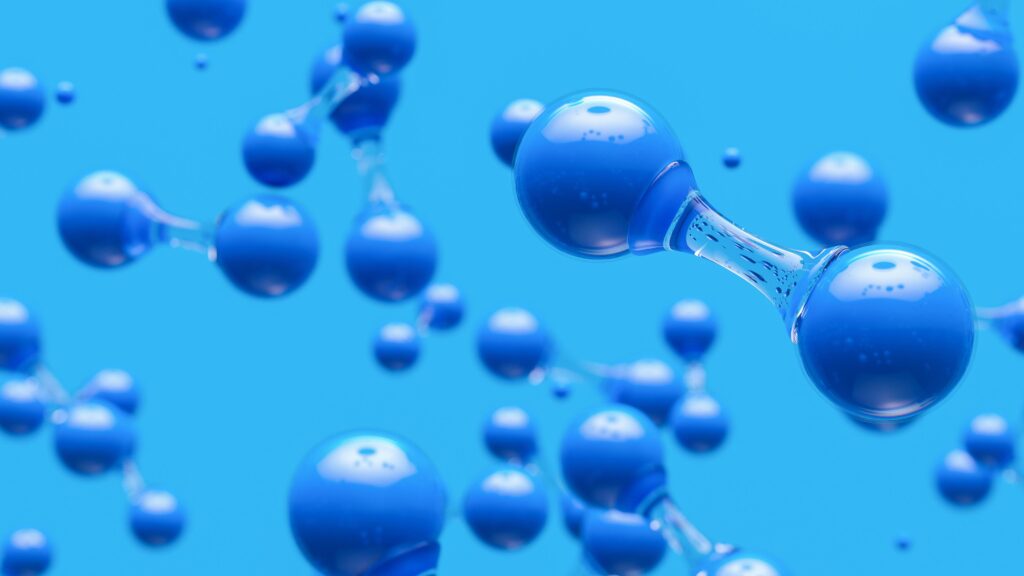
Matter is something that takes up space. It can be in different forms, stages, colors, etc. For example, you and the device you are using to read this are both matter. Everything is matter, except for a vacuum. A vacuum is a place without matter. There are many different types of matter, not just one (or three). Keep reading to learn more about the different stages of matter.
Solid
Matter comes in different stages or forms. One of the stages of matter is a solid. Solids are things that have molecules that are so closely packed together, so the molecules don’t move that much. Human skin is a solid, but blood is not. Blood is a liquid (also a fluid). Solids can’t pass through anything, and other things can’t pass through solids. The molecules in solids slightly vibrate, but that’s really all they do.
Liquid
A liquid is another state of matter. Instead of its molecules being tightly packed together and not moving that much, a liquid’s molecules are more free. They are still close together, but not that close together. They move at a moderate speed. Think about it: water is a liquid, it flows. Liquids are also called a fluid. A fluid is something that can flow easily. Solids are not fluids because their molecules are set up in a way where they can’t flow and move that much.
Gas
A gas is in the state of matter where the molecules are moving at a very fast speed and are very spread out. Because the molecules are very spread out and are moving very fast, gases do not stay in the same spot. They take up the shape of their container, or the space that they are in. Liquids can also do this, but gravity takes a hold on them, which is why they always spill out towards the ground. However, gas molecules are moving so fast that they actually rise up. Gases are also a fluid because they can flow easily and their molecules are very loose.
Plasma
You have been lied to. There are not just three states of matter, there are multiple. Many people have argued that there are just three, or four, or twenty two (unfortunately, we are not going to discuss all of them in this article). Plasma is a type of matter that is very, very, very, extremely hot (it’s superheated). It makes up about 99% of the universe that we can see now. Everything from stars, to lighting, to neon signs have plasma. Our blood also has plasma in it.
Bose-Einstein Condensate
The Bose-Einstein Condensate is another form of matter. Atoms are cooled to absolute zero. They are so cold that they are hardly moving anymore. They eventually start to come together, and they then act like they are one atom.
Why is This Relevant in Space Science?
Scientists who study space have to know certain types of matter, they also have to know what matter is (obviously). Everything that takes up space is matter, so stars, planets, comets, etc. are matter. There is something else that comes up in space science a lot, too. A type of matter, not necessarily a state. It’s called dark matter. Dark matter is the name given to all of the matter that we cannot see. It is very mysterious, and scientists are still trying to learn more. Hopefully we can in the future.
How Different States of Matter Change Into Another State of Matter
Most matter does not stay the same for eternity. They can change. For example, if you leave an ice cube out for a while, it eventually turns into liquid water, because ice is solid water. There is also water vapor, which is the gaseous state of water.
- Melting- the word used to describe a solid changing into a liquid (ex. ice melting into liquid water). The molecules that were so close together and were barely moving were heated. When molecules get warmer, they speed up and spread out. When this happens to ice, the molecules in ice spread out and move more, turning into a liquid.
- Freezing- the word describing a liquid changing into a solid (ex. liquid water freezing into ice cubes). When molecules get colder, the opposite thing happens when they are warmer. The molecules get closer together and move less. So, the liquid water changes back into ice.
- Evaporation- when a liquid turns into a gas (ex. liquid water boiling into water vapor). The molecules get so hot that they spread out and move faster even more. This turns the matter into a gas. The gas also rises.
- Condensation- when a gas turns into a liquid (ex. when a tea kettle is near a cold window and the steam coming out of it appears as water droplets on the window). The molecules get cooled again, so they turn into a liquid.
- Sublimation- when a solid turns right into a gas with no liquid form in between (ex. when dry ice turning back into carbon dioxide).
- Deposition- when a gas turns into a solid with no liquid phase (ex. carbon dioxide changing into dry ice).
Look down below to see the websites used and for further reading.
Credits and Further Reading:
- https://www.psfc.mit.edu/vision/what_is_plasma
- https://www.britannica.com/science/Bose-Einstein-condensate
- https://www.livescience.com/54667-bose-einstein-condensate.html
- https://www.usgs.gov/special-topics/water-science-school/science/condensation-and-water-cycle#:~:text=Condensation%20is%20the%20process%20by,for%20the%20formation%20of%20clouds.
- https://www.merriam-webster.com/dictionary/sublimate
- https://energyeducation.ca/encyclopedia/Sublimation_and_deposition#:~:text=Deposition%20is%20when%20a%20substance,as%20the%20formation%20of%20frost.
- https://news.richmond.edu/features/article/-/21773/what-do-molecules-look-like.html?utm_source=news&utm_medium=referral&utm_campaign=features-story (for image).