There Are Many Moons in Our Solar System (and More Are Yet to Be Discovered, Here Are a Few
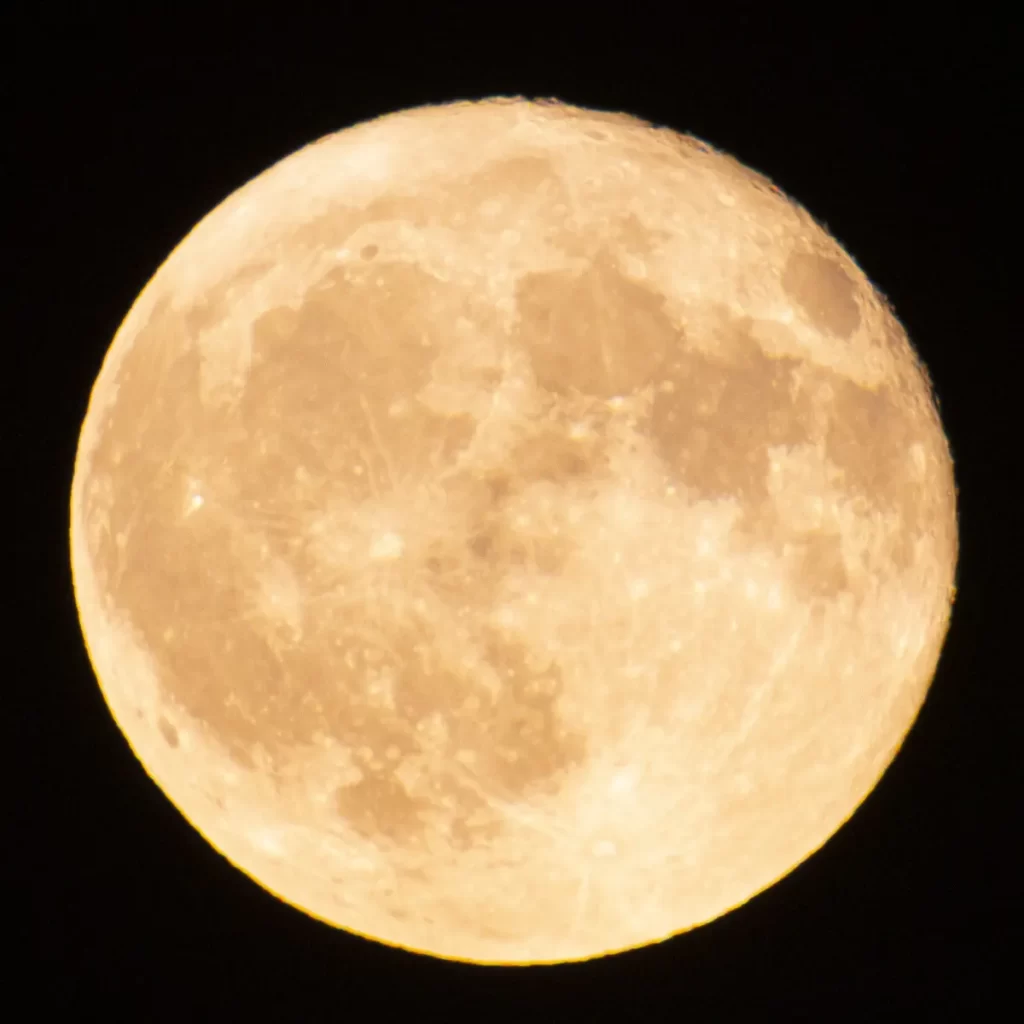
When you here the word moon, you probably think of the moon that orbits the Earth, the one that we see most nights in the sky. You also probably call the moon, The Moon. However, a moon is an object that orbits another planet, and it could be any planet, not just Earth. Moons are also called satellites. The moons that scientists have discovered orbiting other planets in our solar system have specific names given to them other than ‘One of Jupiter’s Many Moons,’ or ‘One of Mars’s Moons.’ In fact, sometimes our moon is called ‘Luna’ by scientists. Keep reading to find out information about the solar system’s many other moons besides Luna.
Mercury
To start out, let’s talk about Mercury. Mercury does not have any moons. The reason for this isn’t really shocking. Since Mercury is such a small planet, its gravitational pull is not strong enough to have something like a moon orbiting around it. Also, since it is so close to the Sun, the gravitational pull of the star is too great, and would throw off the orbit of the moon around Mercury. So even if Mercury did have a moon, it wouldn’t have lasted very long.
Venus
Venus is like Mercury, it does not have any moons. Even though it is big enough to keep a moon orbiting around, it is still too close to the Sun. However, scientists think that it did once have a moon, but it drifted away.
Earth
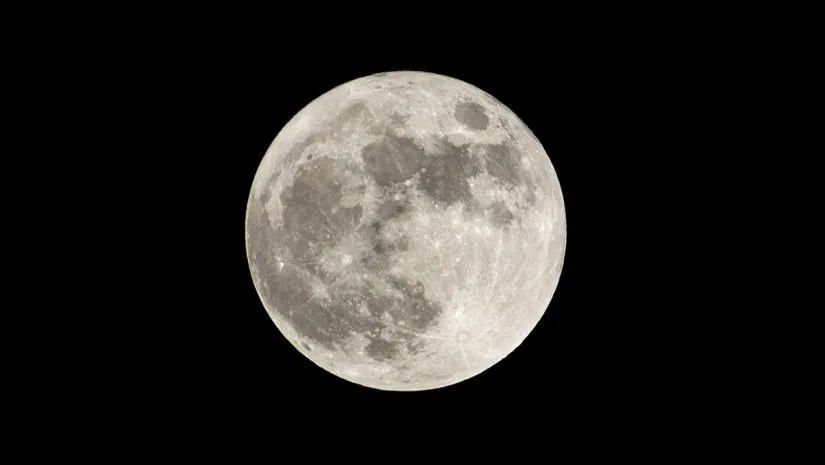
As you might already know, Earth has one moon, The Moon (Luna, or another name in a different language). You also might already know that Earth has many satellites around it. However, the moon is Earth’s natural satellite. A satellite is something that orbits a planet or a star. Therefore, moons are also satellites. Planets can also be satellites. For example, the Earth is a natural satellite of the Sun because it orbits around it.
Mars
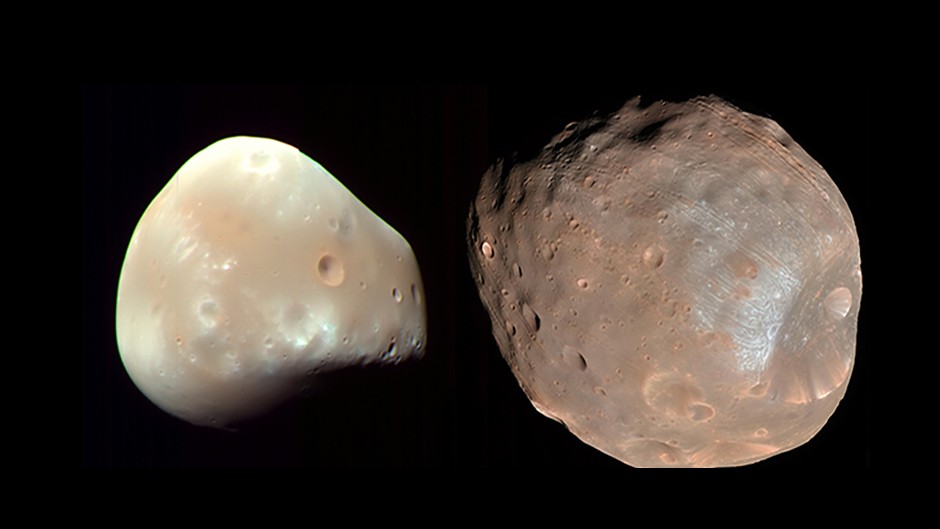
Mars has two moons (that are kind of shaped like potatoes). The names of these two moons are Phobos and Deimos. Why are they called this? Well, Mars was the Roman god of war, as well as the Roman counterpart of the Greek god of war, Ares. In Greek mythology, Phobos and Deimos are the two sons of Ares. Phobos is the god of rout and panic. Deimos is the god of terror and dread. Anyways, back to the moons. Phobos orbits Mars about three times a day, and it will eventually crash into Mars (not for a very long time, though, it nears the planet about six feet every one hundred years). Deimos orbits Mars about every thirty hours, and is smaller than Phobos.
Jupiter
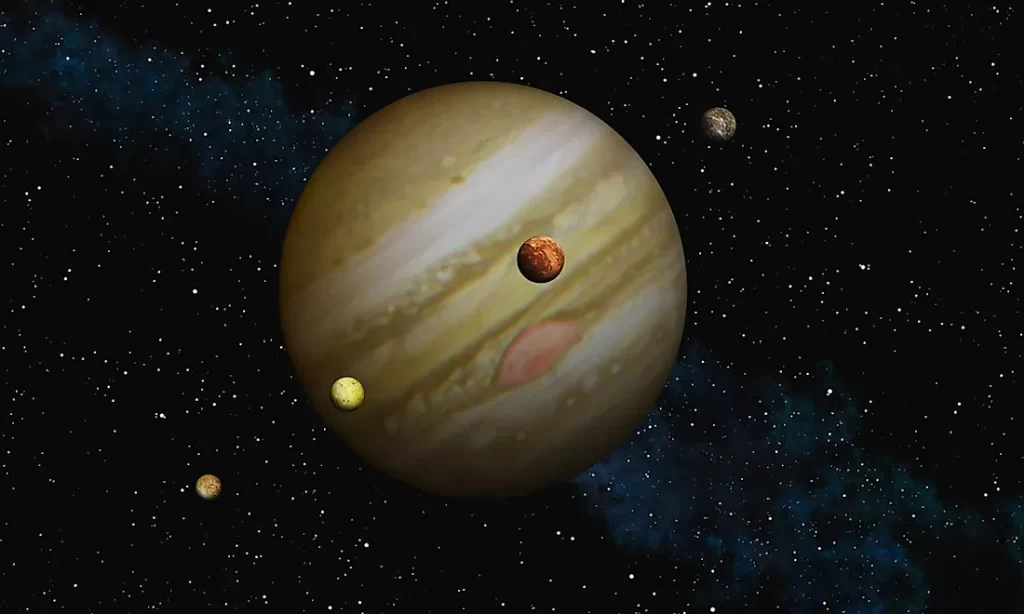
Jupiter has many moons. Right now, it has ninety five moons, and more are being discovered. Unfortunately, we aren’t going to discuss all of them in this page, just a few. See the link for a list of Jupiter’s moons in the Credits and Further Reading. The moons of Jupiter we are going to talk about are the four largest moons of Jupiter, Io, Europa, Ganymede, and Callisto. Io has hundreds of volcanoes, making it the most volcanically active moon and celestial body in our solar system. Europa is interesting because it has a salty ocean. Scientists think that we could look for extraterrestrial life here. Ganymede is currently the largest moon in our solar system. Callisto has many craters on it. In fact, it is the celestial body with the most craters in the solar system. Scientists think that it may have an ocean beneath its surface, which is icy.
Saturn
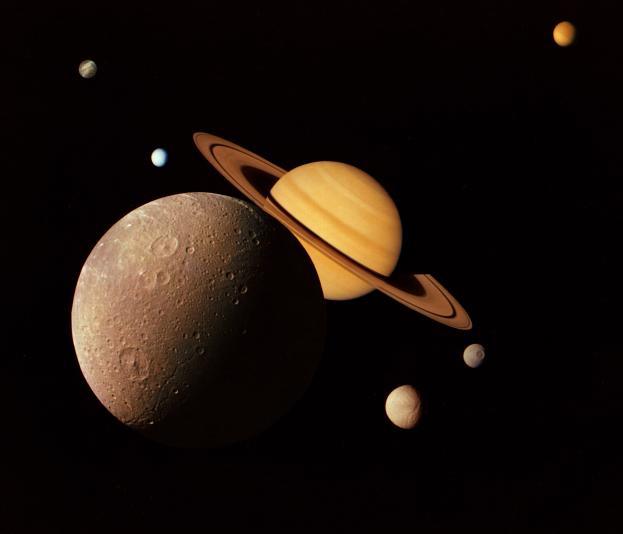
Think that Jupiter has the most moons? Saturn currently has the most moons in the solar system, and like Jupiter, more are probably going to be discovered. Right now, it currently has more than one hundred fifty moons. However, we will only talk about two: Titan and Enceladus. Titan has rivers, lakes and seas, just like Earth. However,, they are made out of hydrocarbons, unlike Earth. It is the second largest moon in the solar system. Enceladus has an icy surface, but right under it, there is an ocean. Scientists think that it could have life, but obviously they aren’t sure yet.
Uranus
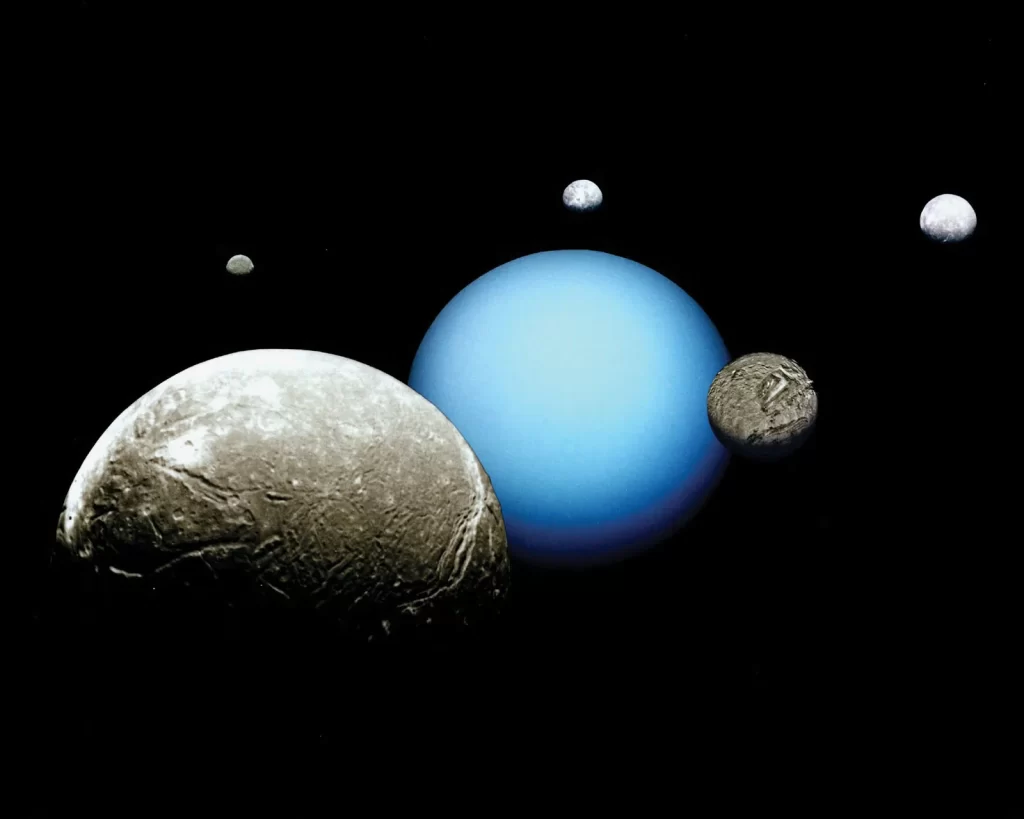
Uranus has twenty seven known moons. The four that will have information on this page are Oberon, Titania, Ariel, and Umbriel. Oberon is made of about fifty percent rock and fifty percent ice. Titania is the largest moon orbiting Uranus. There might be frost on it. Ariel is believed to have ice, rock, and carbon dioxide. It also has many craters. Out of all of Uranus’s largest moons, Umbriel is the darkest because it doesn’t reflect a lot of the light from the Sun. Scientists don’t know a lot about it. However, there is a ring around Umbriel.
Neptune
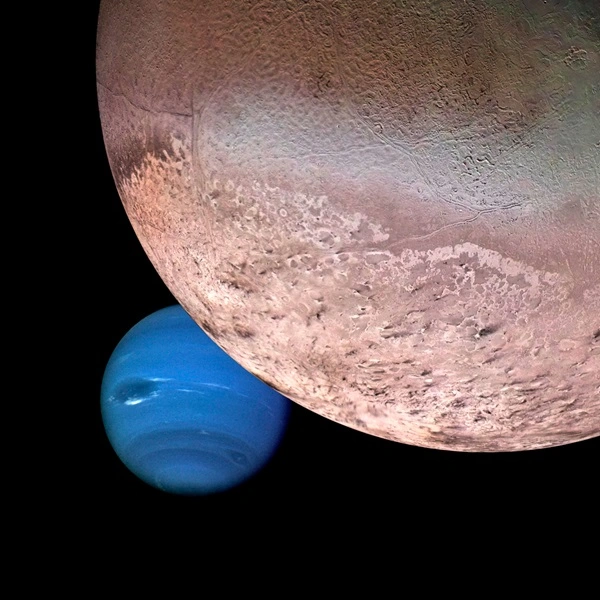
Neptune has fourteen known moons. Triton is the largest of Neptune’s moons. It orbits in the opposite direction from Neptune. It has volcanoes, geysers, and is one of the coolest objects in our solar system. Proteus is another one of Neptune’s largest moons. It is shaped like a box. Nereid is also one of the largest moons orbiting Neptune. Nereid takes about three hundred sixty days (Earth days, to be exact) to orbit Neptune because it is very far away from the planet.
There you have it, that’s some information about (some of) the moon(s) of all the planets in the solar system. However, there are other moons in the solar system that belong to dwarf planets, or objects in space that resemble a planet but do not meet all the qualifications to be one. For example, Pluto is a dwarf planet. One of its moons is called Charon. It is roughly half the size of Pluto. For more information, look down below to the Credits and Further Reading to learn more.
Credits and Further Reading:
- https://www.worldatlas.com/space/why-don-t-mercury-and-venus-have-moons.html
- https://www.nasa.gov/audience/forstudents/k-4/stories/nasa-knows/what-is-a-satellite-k4.html
- https://solarsystem.nasa.gov/moons/mars-moons/overview/
- https://www.theoi.com/Daimon/Deimos.html
- https://solarsystem.nasa.gov/moons/jupiter-moons/overview/#:~:text=About%20Jupiter’s%20Moons,of%20moons%2C%20rings%20and%20asteroids.
- https://simple.wikipedia.org/wiki/List_of_Jupiter%27s_moons (list of Jupiter’s moons)
- https://solarsystem.nasa.gov/moons/jupiter-moons/callisto/overview/
- https://solarsystem.nasa.gov/moons/saturn-moons/titan/overview/
- https://solarsystem.nasa.gov/moons/saturn-moons/overview/
- https://solarsystem.nasa.gov/moons/saturn-moons/enceladus/in-depth/
- https://solarsystem.nasa.gov/planets/uranus/overview/#:~:text=Uranus%20has%2027%20known%20moons,William%20Shakespeare%20and%20Alexander%20Pope.
- https://solarsystem.nasa.gov/moons/uranus-moons/in-depth/
- https://solarsystem.nasa.gov/moons/uranus-moons/oberon/in-depth/
- https://solarsystem.nasa.gov/moons/uranus-moons/titania/in-depth/
- https://solarsystem.nasa.gov/moons/uranus-moons/ariel/in-depth/
- https://solarsystem.nasa.gov/moons/neptune-moons/overview/?page=0&per_page=40&order=name+asc&search=&placeholder=Enter+moon+name&condition_1=90%3Aparent_id&condition_2=moon%3Abody_type%3Ailike
- https://solarsystem.nasa.gov/moons/uranus-moons/umbriel/in-depth/
- https://solarsystem.nasa.gov/moons/neptune-moons/in-depth/
- https://solarsystem.nasa.gov/moons/neptune-moons/triton/in-depth/#:~:text=Triton%20is%20the%20largest%20of,gravity%20millions%20of%20years%20ago.
- https://solarsystem.nasa.gov/moons/neptune-moons/nereid/in-depth/
- https://solarsystem.nasa.gov/moons/pluto-moons/charon/in-depth/
- https://www.theguardian.com/science/2023/jun/28/nasa-mining-moon-2032 (for image)
- https://www.adorama.com/alc/lunar-photography-how-to-photograph-the-moon/(for image)
- https://www.skyatnightmagazine.com/space-science/the-moons-of-mars/(for image)
- https://www.worldatlas.com/articles/the-moons-of-jupiter.html(for image)
- https://phys.org/news/2015-08-moons-saturn.html(for image)
- https://www.britannica.com/place/Uranus-planet/Moons(for image)
- https://www.astronomy.com/science/weird-object-neptunes-moon-triton/(for image)